
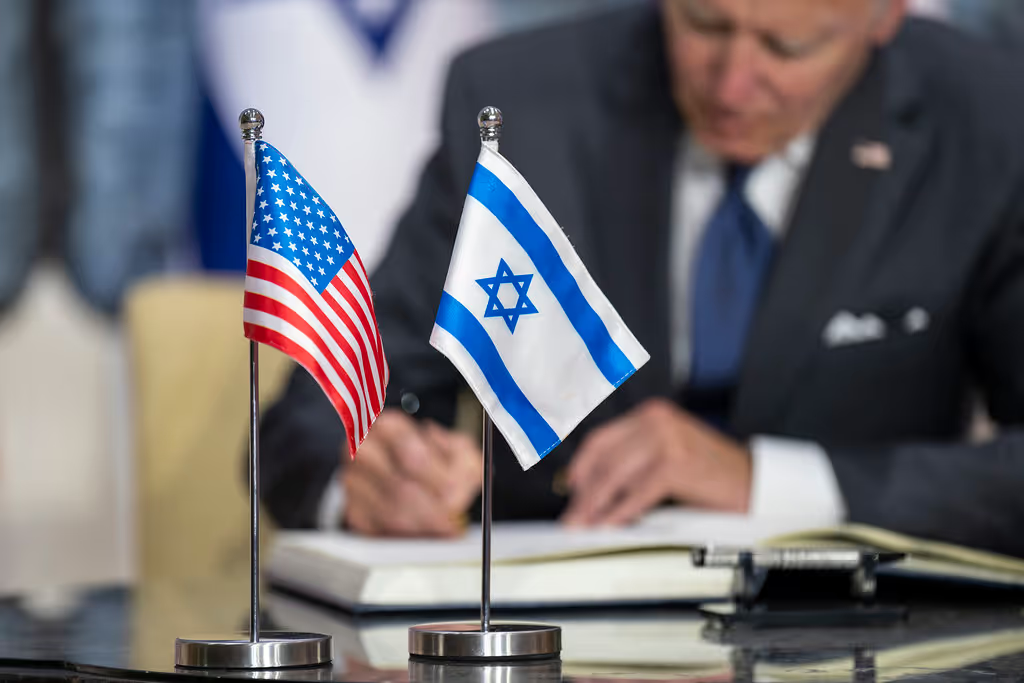
- The U.S. and Europe's pro-Israel stance in the war in Gaza, coupled with their response to Ukraine, is leading to global criticism and a potential shift in international relations, isolating them from non-Western countries.
- This situation offers autocratic nations like China, Iran, and Russia an opportunity to increase their influence, exploiting perceptions of Western moral inconsistency and opportunism.
Policy Brief Summary
Overview:
- This article was written by Kristina Kausch, published by the German Marshall Fund of the United States.
- It delves into the shifting global perceptions regarding the moral stance of Western countries in international conflicts, particularly focusing on the Israel-Hamas war and the Russian invasion of Ukraine.
- The piece highlights the growing global outrage against perceived Western double standards and the potential long-term impact on international relations.
Key Quotes:
- "The United States’ and Europe’s perceived moral waywardness on Ukraine and Gaza is provoking global outrage and risking lasting damage to their relations with non-Western allies."
- "The West’s relative isolation on the Gaza question heralds a potentially significant loss of global soft power from which China, Iran, and Russia can gain."
What They Discuss:
- The author examines the response of the international community to the West's handling of the Israel-Hamas conflict and the Russian invasion of Ukraine.
- Over 13,000 civilian casualties in the Gaza Strip following Israel's response to Hamas' attacks are highlighted.
- The article discusses the UN General Assembly's vote favoring a truce and adherence to international humanitarian law, with Western opposition or abstention.
- It explores the broader implications of these events on transatlantic relations and global perceptions of Western moral principles.
- The piece reflects on the strategic moves of autocracies like China, Iran, and Russia in exploiting these situations to gain soft power.
What They Recommend:
- Kausch recommends that Western powers develop a more insightful understanding and nuanced policies towards today's dynamic and complex global alliances.
- Emphasis is placed on the need for the West to address its perceived double standards to maintain global influence and credibility.
Key Takeaways:
- Western countries face growing criticism for their perceived moral inconsistencies in international affairs.
- This criticism risks causing long-lasting damage to their relationships with non-Western allies and diminishing their global soft power.
- The situation presents an opportunity for autocratic nations to increase their influence in the developing world.
This is a brief overview of Kristina Kausch's work from the German Marshall Fund of the United States. For complete insights, we recommend reading the full article.


Related


President Trump’s latest tariff plan is under fire from a conservative think tank, which says the math behind it is both flawed and misleading.
- Donald Trump focused on separating himself from his party's extreme policies and addressing key voter concerns like the economy and abortion.
The presidential debate accomplished more for Harris than it did for Trump


AEI experts explore the potential political impact of President Biden's support for Israel on his electoral prospects in Michigan, particularly among Muslim and Arab American voters.
The shift in Arab American support away from Biden in Michigan is important, but it is unlikely to be the sole deciding factor in Michigan's electoral outcome.
Will Support for Israel Cost Biden Michigan?

Cato Institute expert Robert A. Levy writes that U.S. SupremeCourt Chief Justice Roberts will be "concerned about political repercussions" if Trump is disqualified from running.
Levy also argues that liberal justices will likely lean toward allowing voting citizens to decide if Trump should be President.
Trump’s Disqualification: A Primer
