Type
Center
Topic
U.S.-China Relations
Center
By


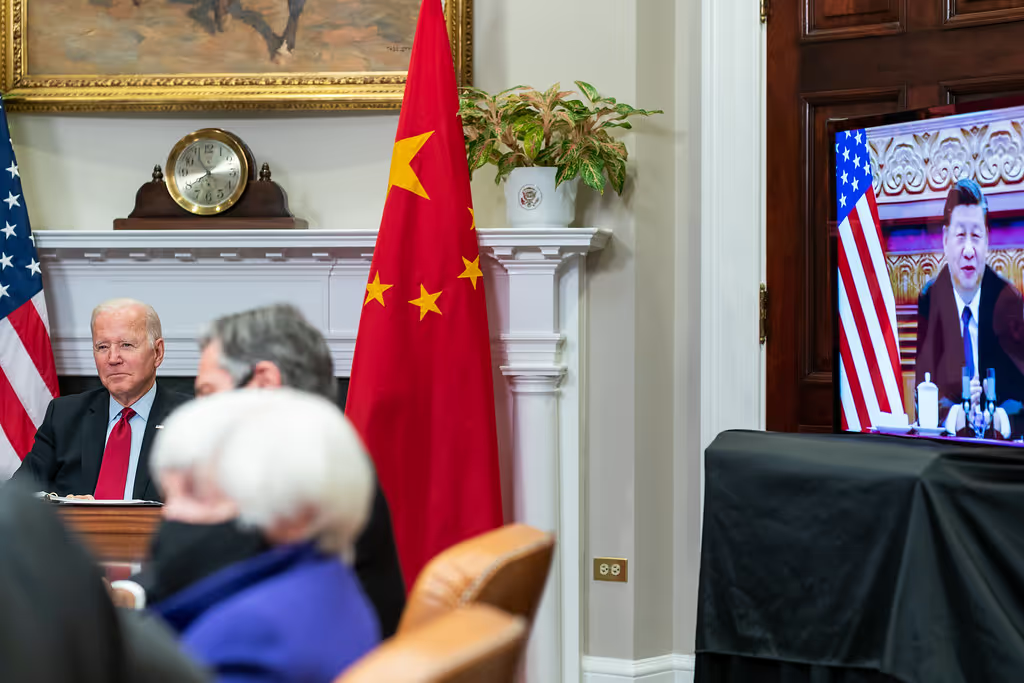
The potential for a Chinese invasion of Taiwan poses a significant challenge to U.S. national security. A successful invasion would not only oppress the Taiwanese people but also expand China's influence across East Asia, threatening regional stability, per commentary from RAND Corporation.
The potential for a Chinese invasion of Taiwan poses a significant challenge to U.S. national security. A successful invasion would not only oppress the Taiwanese people but also expand China's influence across East Asia, threatening regional stability, per commentary from RAND Corporation.
The issue:
Taiwan faces the imminent threat of a Chinese invasion, which is complicated by outdated U.S. policies that prevent direct military support and hinder operational readiness. The U.S. struggles with logistical disadvantages, as Chinese forces are primarily based in East Asia, allowing for rapid action that U.S. forces may be unable to counter in time.
What they recommend:
Experts suggest that Taiwan should adopt a "porcupine" defense strategy, enhancing its asymmetrical capabilities to complicate a potential invasion. This includes fortifying beaches with obstacles and expanding the use of naval mines, which can create significant challenges for invading forces.
Go deeper:
Taiwan could create artificial reefs and deploy anti-vehicle obstacles to make invasion beaches less accessible, while also considering the strategic use of naval mines to disrupt Chinese naval operations. Additionally, a scorched-earth policy could be implemented to impede the restoration of key infrastructure that the PLA might capture. Collaboration with the U.S. in enhancing these defensive strategies is crucial, as they provide low-cost measures to boost Taiwan's defense capabilities.
This is a brief overview of a commentary from RAND Corporation. For complete insights, we recommend reading the full commentary.

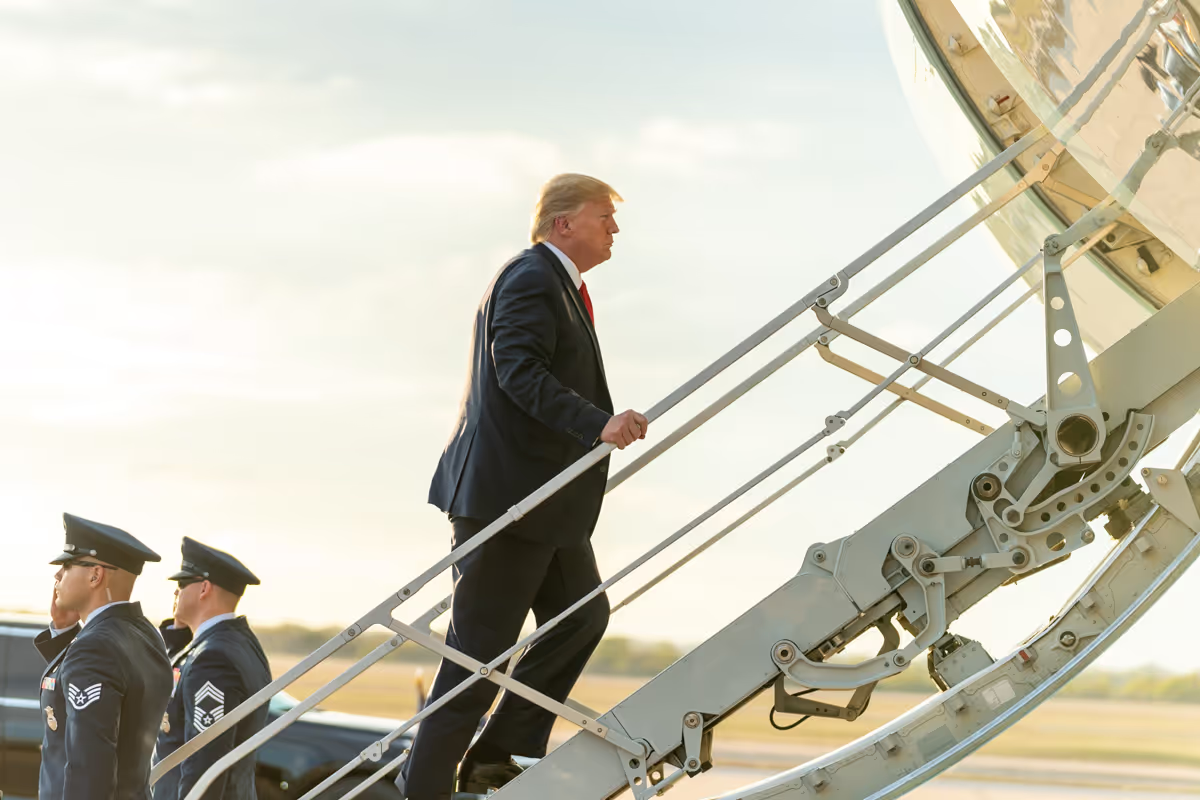
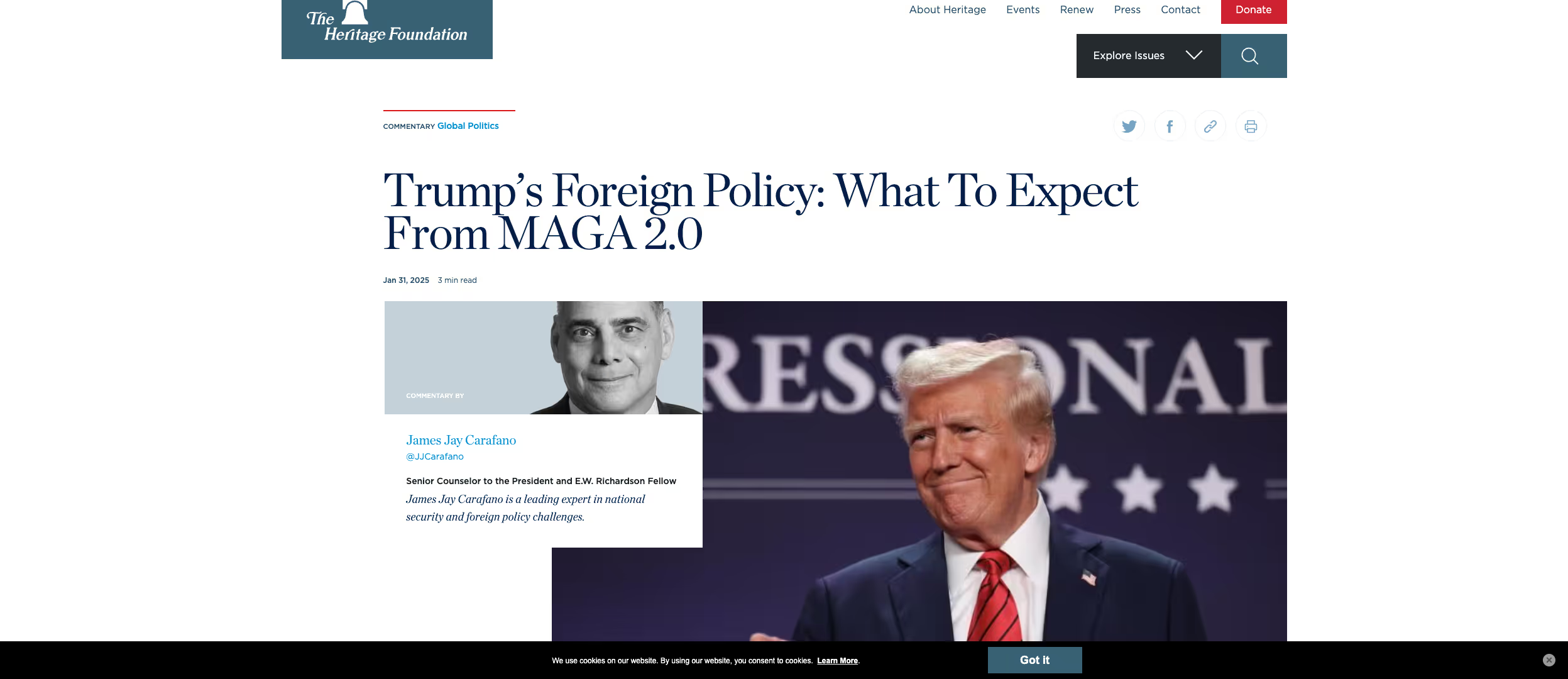
President Trump’s latest tariff plan is under fire from a conservative think tank, which says the math behind it is both flawed and misleading.

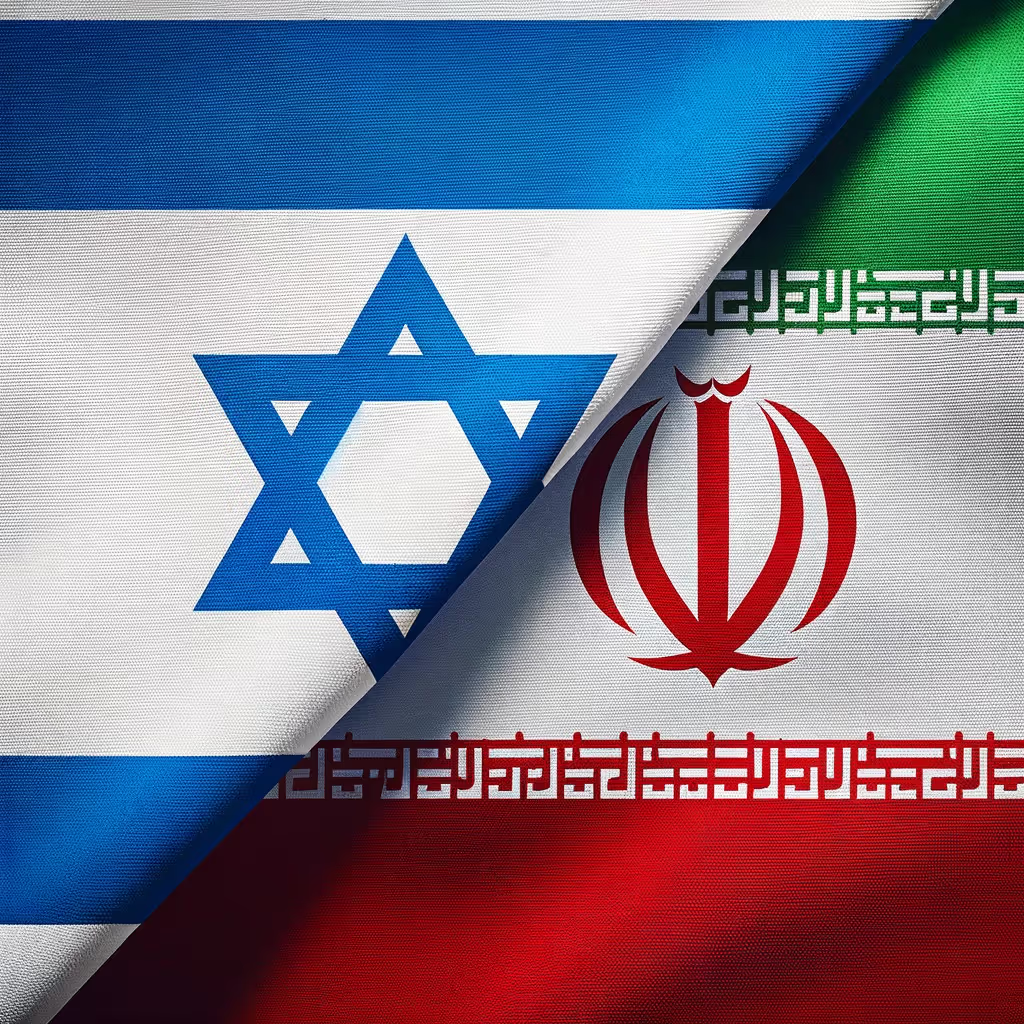
AEI experts explore the potential political impact of President Biden's support for Israel on his electoral prospects in Michigan, particularly among Muslim and Arab American voters.
The shift in Arab American support away from Biden in Michigan is important, but it is unlikely to be the sole deciding factor in Michigan's electoral outcome.

Cato Institute expert Robert A. Levy writes that U.S. SupremeCourt Chief Justice Roberts will be "concerned about political repercussions" if Trump is disqualified from running.
Levy also argues that liberal justices will likely lean toward allowing voting citizens to decide if Trump should be President.







.avif)


.avif)
.avif)
.avif)
.avif)
.avif)















.avif)