January 13, 2024

The Painful Lesson: Defense Is Not Enough

Thinktanker Summary
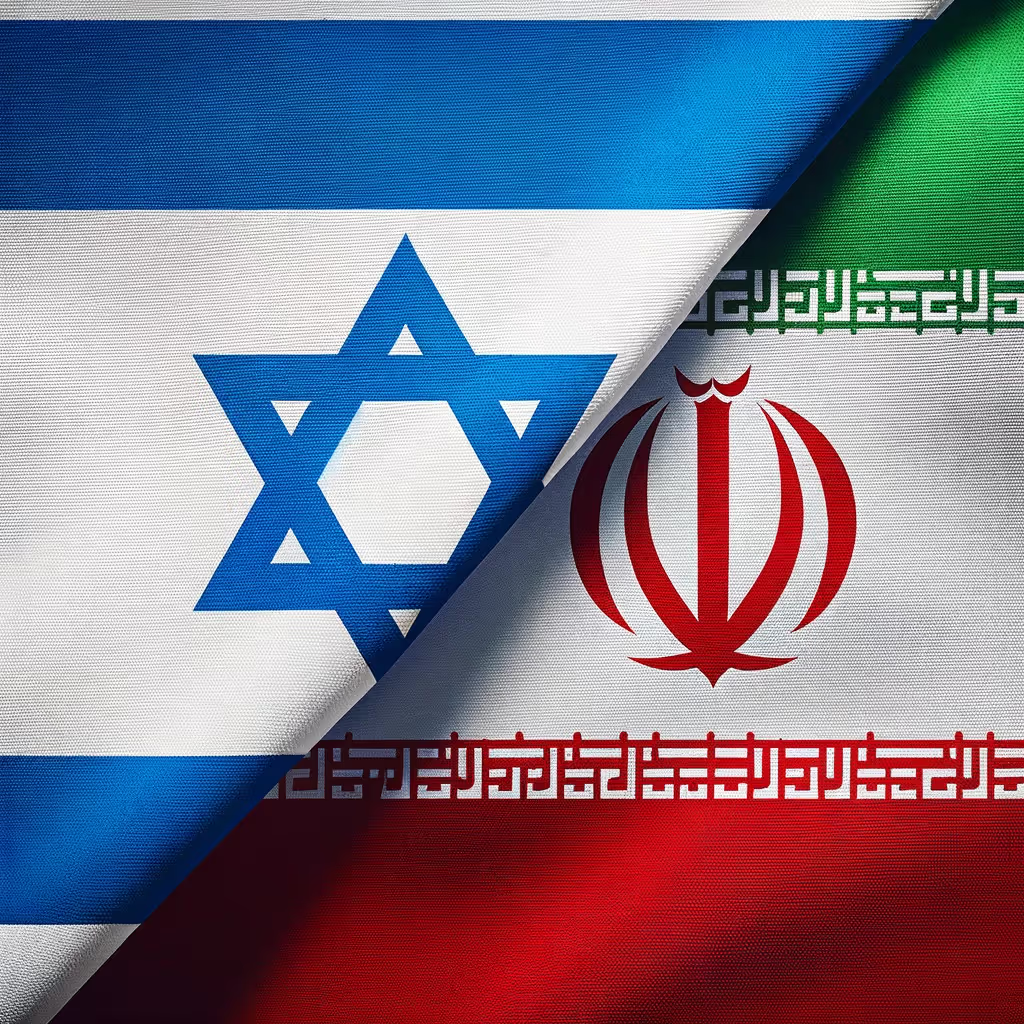
  • Hudson scholar John P. Walters writes that the October 7 attacks in Israel by Hamas showcases the need for a more proactive approach to deterrence beyond passive defense strategies.
  • Walters criticizes U.S. policy towards Israel, suggesting it has encouraged a passive defense approach and hindered proactive deterrence.

Overview:

This article by John P. Walters discusses the aftermath and implications of the October 7 attacks in Israel by Hamas. Key insights include:

  • The attacks have led to a significant shift in Israeli perception and response to security threats.
  • The need for a more proactive approach to deterrence beyond passive defense strategies.

Key Quotes:

  1. "The terrorist forces need to be contained, weakened, and destroyed."
  2. "Passive defense is not deterrence."

What They Discuss:

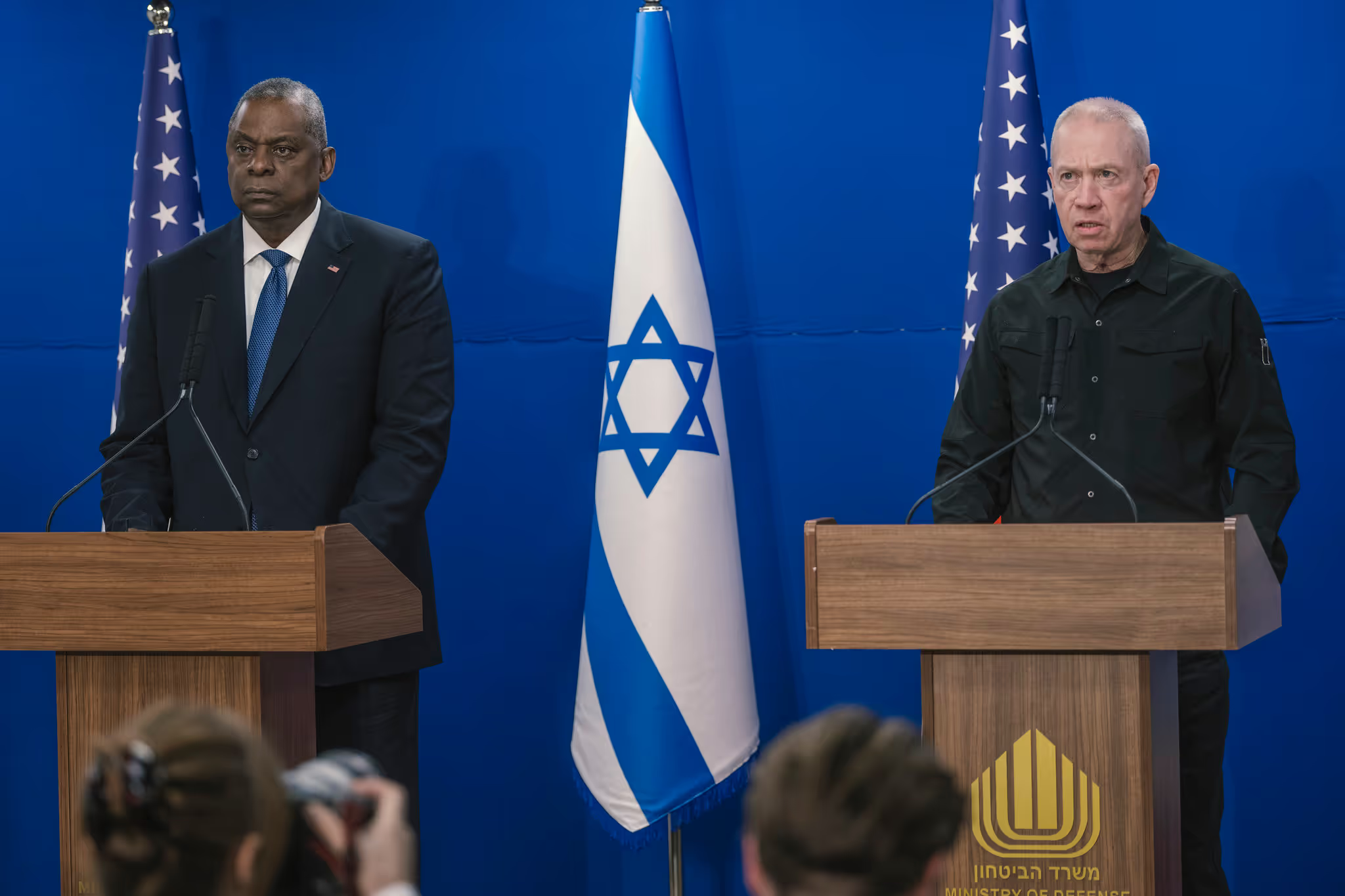
  • The impact of the October 7 attacks on the Israeli community, particularly in Kfar Aza, where the attacks caused significant trauma and displacement.
  • The broader implications of these attacks for Israel's national security, highlighting the threats from Hamas in Gaza and Hezbollah in Lebanon.
  • The need for Israel to actively pursue deterrence, moving beyond reliance on passive defense strategies like the Iron Dome.
  • Criticism of the U.S. policy towards Israel, suggesting it has encouraged a passive defense approach and hindered proactive deterrence.
  • The call for a strategic awakening in America to recognize the need for active deterrence in partnership with Israel.​

What They Recommend:

  • A shift in Israeli defense strategy from passive to active deterrence.
  • The need for Israel to take more assertive actions to counter threats from terrorist organizations.
  • A reevaluation of U.S. foreign policy towards Israel, advocating for support of more proactive Israeli defense measures.​

Key Takeaways:

  • The October 7 attacks have been a turning point in Israeli security policy, highlighting the limitations of passive defense.
  • There is a growing consensus in Israel on the need for a more active approach to deterrence and security.
  • The article calls for a rethinking of U.S. policy towards Israel, emphasizing the importance of active deterrence and stronger U.S.-Israel cooperation in security matters.

This is a brief overview of John P. Walters's work from the Hudson Institute. For complete insights, we recommend reading the full article.

THINK TANK PROFILE

Washington DC
Founded 1916
An influential Washington-based think tank focusing on global security, defense, and economic policy.
Liberal
Leans Right
Create your own think tank.
Get the insights shaping policy and power every week.
Join us on Substack + Linkedin.

Related

Center for Strategic International Studies

President Trump’s latest tariff plan is under fire from a conservative think tank, which says the math behind it is both flawed and misleading.

  • Donald Trump focused on separating himself from his party's extreme policies and addressing key voter concerns like the economy and abortion.

The presidential debate accomplished more for Harris than it did for Trump

Commentary
Leans Left
RAND Corporation

AEI experts explore the potential political impact of President Biden's support for Israel on his electoral prospects in Michigan, particularly among Muslim and Arab American voters.

The shift in Arab American support away from Biden in Michigan is important, but it is unlikely to be the sole deciding factor in Michigan's electoral outcome.

Will Support for Israel Cost Biden Michigan?

Commentary
Conservative
Cato Institute

Cato Institute expert Robert A. Levy writes that U.S. SupremeCourt Chief Justice Roberts will be "concerned about political repercussions" if Trump is disqualified from running.

Levy also argues that liberal justices will likely lean toward allowing voting citizens to decide if Trump should be President.


Trump’s Disqualification: A Primer

Video
Libertarian